Starting a blog was the best decision I made, and it transformed my career. In my early days, I was not an expert and did not know whether people would read my posts. I used to write content across different niches whenever I felt motivated, without any set plan.
After nearly a decade in the writing space, I learnt that strong blog posts need more than simple inspiration. You need a solid foundation, a good website, and a clear plan to craft engaging content.
If you want to learn to build a blog, check out my review on how to start a blog.
If you’re intimidated about what people will think, then my friend, you are doomed from the start. You do not have to have everything figured out on day 1; with time, you’ll get the hang of things. To navigate the pitfalls I encountered in my early days, I’ve created this guide to help you write a blog post in 2026. Let’s get into the article.
What is a Blog Post?
A blog post is an interaction with your readers, where you can share your stories, ideas, or offer helpful suggestions. It helps build curiosity amongst your readers, which will ultimately help build connections. The niche of your blog doesn’t matter, but your blog posts help you tell a bigger story to your readers.
In my early days of blogging, I used to just post any content on my page. However, I realised with time that readers prefer content they can connect to and enjoy. So, it is essential to craft content that resonates with your readers and keeps them coming for more.
An ideal blog post doesn’t have to be complicated or long, but should deliver value. Content with a human touch will connect with the audience better than robotic content.

How to Write a Blog Post in 12 Steps
Writing a blog post can overwhelm individuals who are starting. However, if you break the process down in steps, it becomes simplified. I’ll break down the entire process in 12 steps to build an impactful, user-friendly blog post.
1. Brainstorm Blog Topics
The first step is to brainstorm topics relevant to your audience. You can create a list of topics that fit your niche and see what will get the most engagement.
Some reliable ways to find topics for your blog post include:
- Check niche-specific forums, such as Quora or Reddit, and understand what the community is interested in.
- Scroll through competitor blogs and see what they are writing about.
- Use Google Trends to find trending topics.
- Look out for any viral story or current events and craft content related to the field.
- Use AI writing tools to generate topic ideas.
Once you find a relevant topic, you need to create a unique blend with it in your blog post. Try to craft content that looks fresh while remaining trendy and relevant. Ensure that the post is up to date and provide the latest stats and data to support it.
2. Define Your Readers
Most topics are written to address a reader’s problems. A blog post will be more effective if you write thinking about the reader’s mind. Anticipating this will help you write engaging content with better relevance and engagement.
The type of audience you get depends on the type of blog you are running. For example, if you are running a fitness blog, you need to craft content around the gym, exercises, and diet. It is thereby important to craft content keeping that in mind.
The one thing that most blog owners forget is their call to action. It is important to define your CTA before writing; this will help shape your introduction and the content. This is an important aspect if you want to monetize your blog and earn through it.
3. Start Keyword Research
Keyword research is a key component of writing a blog that will rank well on search engines. It is an SEO practice that helps make your content unique and reach more readers. You can perform SERP analysis to study top results from the search engine results page. This will help you understand which types of pages and search terms align with Google’s best search intent.
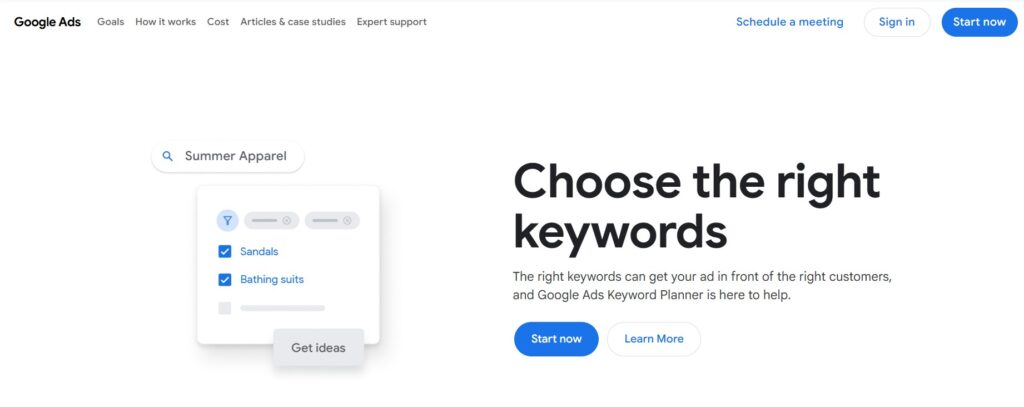
You can find keywords using keyword research tools. If you are starting out, you can check out free tools like Google Keyword Planner or Ubersuggest. If you want to upgrade, you can check out tools like SEMrush or Surfer SEO.
4. Create an Outline
The outline is the backbone of the blog post. It helps you to organize your ideas and ensure that the flow is smooth and easy to follow. You can break the sections into introduction, headings, and conclusion. Accordingly, you can plan to add data points, quotes, and images within the content.
5. Write an Engaging Headline
A headline gives your blog post its first impression. It can help build curiosity and set the expectations for your post. Some bloggers may write the content first, then write the headline. However, I prefer to get the headline done before I begin writing the content. This helps me get better insights to craft content.
Craft a strong SEO headline with simple language, making it easy for users and search engines to understand. Add the primary keyword in the heading, which will help with your SEO and meet user intent. Also, try to avoid clickbait, as it may work at times, but over time you’ll lose credibility with your audience.
6. Craft Blog Content
It is time to start writing the main part of the blog. Some people on the internet come for information, while others want first-hand experiences. Generally, the length of a blog post can be between 500-2000+ words. If you want a short post, you can stick to 500-700 words, while 2000+ words are for guides or complex topics. The sweet spot is between 800-1200 words.
A blog post consists of three main sections: introduction, body text, and conclusion.
- Introduction: The introduction should grab the attention of the audience and make them want more. You can start with a story or give a statistic that keeps them hooked.
- Body Text: You have already prepared an outline for your blog post. You can use this outline to craft detailed content on the topic. Try to keep the content to the point and avoid fluff. You can share stats, data, infographics, charts, etc to make the content more engaging. Try to keep the paragraphs short and use bullet points to break the content down.
- Conclusion: The concluding section gives the story an end where you can tie up the main points from the blog. Try to end the entire article with an engaging note. Additionally, you can add FAQs to the content to make it more appealing to search engines.
It is important to stay authentic and not always try to sound perfect. However, your writing style has to adapt based on the target audience as your website grows. All in all, a blog post has to be conversational and inspire people to take action.
7. Choose a Blog Template
The design of your blog is as important as your blog post. You need to have an engaging template that is easy to navigate. WordPress has numerous templates that let you get going quickly.

If you want to learn how to build a website on WordPress. Check out my review on How to build a WordPress website in 2026.
Several platforms allow you to host websites, such as Hostinger. These platforms have several templates, professionally designed to bring your vision to life. If you have a free blog, then you would want to have a domain name that fits your brand. While other brands charge a premium for hosting, Hostinger offers free hosting for the first year. The renewal is also at nominal prices, which is standard with most other platforms.
8. Add Images and Videos
Visuals help elevate your blog posts and make them engaging. The right visuals allow you to illustrate your points and keep readers engaged. Choose the best visuals that are connected to your content. Stock images and AI-generated infographics can help the blog posts to be more engaging.

9. Implement CTAs
A blog helps inform people about a specific topic. However, it can also be used as a tool to motivate readers to take a certain action. The action can include anything from making a purchase, getting a subscription, or downloading an itinerary. This can help you transform your website traffic to drive engagement and eventually lead to profit.

10. Optimize for SEO
A strong blog post should involve optimizing your content for SEO before and after writing the blog post. SEO is more than keyword research, but also about polishing them in the final piece. You need to follow semantic SEO practices to optimize your content around the topic, so it meets user intent and connects concepts. You don’t have to forcefully seed keywords every time. This will allow search engines and AI to better understand your content and rank well on SERPs.
You can also create a meta description to give an outline of the topic, which will appear in search results. It involves a hidden meta tag that is placed in the head section of the page. Additionally, you would want the keyword to be in the URL of the article as well as the alt text of blog post images. All these features help boost the overall performance of your blog.
11. Edit and Proofread the Post
Proofreading and editing your blog post is of the utmost importance to eliminate grammar mistakes, spelling errors, or other issues. Take time to edit the content to provide proper clarity and accuracy. This may look boring, but it is important to spot any errors that you have missed.
You can read the blog aloud or input the text in Google Text to Speech to catch any awkward phrases. This ensures that the tone sounds natural and engaging to the reader.
12. Publish and Share the Post
Once your post is ready, you can publish the content on the web. After publishing the content, you need to promote the blog post. The best ways to promote a blog post are through social media and email marketing. Try to engage with your followers on these channels to ensure they get the best reach.
Ready to Start Driving Traffic to Your Blog?
Writing a blog post that engages your readers involves a balance between strategic planning and creative expression. The 12-step process helps build a solid foundation for your blog post and growth. The journey of a thousand posts begins with a single post. Start your journey while being authentic and keep providing value to your readers. Your blogging journey starts now, and I can’t wait to see what you create.
Frequently Asked Questions (FAQS).
- 1. How long should a blog post be?The length of a blog post can range between 500-2000+ words. While 500 words is designed for quick review, and 2000+ words are ideal for complex guides. The most engaging posts are written between 800-1200 words.
- 2. What are the basic steps to write a blog post?A blog post can be written by following the steps:1. Choosing a topic2. Outlining the post3. Performing SEO research4. Crafting engaging content5. Editing, summarizing, and publishing the content
- 3. Is creating a blog post difficult?No, crafting a blog post is not complicated. You need to follow a step-by-step approach, which involves writing your thoughts down. The technical side involves the use of user-friendly tools for SEO research, formatting, and publishing your work.
No responses yet