I started my first blog in 2017 as a college project. That project changed my career trajectory, and I ended up in the content marketing space. Over the years, I launched multiple blogs, though I later forgot about them because of work commitments or laziness. However, it introduced me to a niche that was not well known at the time. I remember trying to explain what I was doing to my parents, but today everybody wants to get into the content space. Blogging changed my life, and it can surely change yours as well.
If you want to start a blog, you do not have to struggle to figure it out. In this guide, I’ll break down the process of launching your blog from the start. I’ll also share some important blogging tips I’ve learnt while working with some of the best content marketing agencies over the years. Let’s start your blog and get it online today.
What is a Blog?
A blog is a website where you can share your thoughts, information, reviews, and insights. This is usually done in the form of articles, which are called posts. They are displayed in reverse order, so new content always appears at the top.
A blog is more interactive and has a consistent tone than your static website. It primarily uses text, but it also consists of other multimedia, like images, videos, or links to other websites. Readers can engage with the content by commenting and connecting directly to the writer.
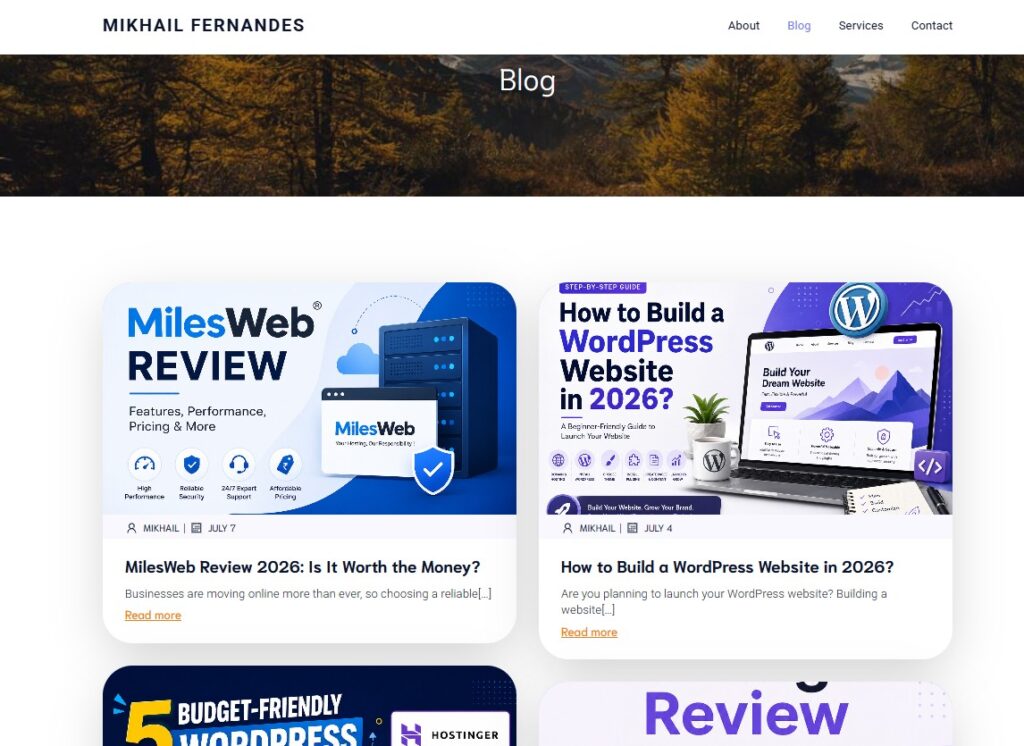
Steps to Launch a Blog in 2026
1. Choose the Right Niche
Selecting a niche is the first and important step to launch your blog. This is the main blog topic that you’ll be writing about. The niche can be anything from tech, travel, finance, sports, etc. It helps narrow down your crowd and attract the right audience.
When your blog has a clear direction, it is easier to grow it online. It helps search engines understand your site, thereby helping with SEO. If somebody likes the niche, they will stick around the website and become regular to the blog. Additionally, if you’re planning to make money, choose a niche that makes it easy to recommend products or attract partnerships.
2. Get Started With Your Blog
Several users start their first blog using a free platform; however, you will soon find it is limited. You are limited in website customization, features, and the content is not fully yours.
WordPress is a powerful content management system that gives you complete control to grow and monetize your website. I’ve used the same platform to build my blog, and experts highly recommend launching one.
To get started with a blog, you need two things:
1. Domain Name: It is the identity and name of your blog.
2. Web Hosting: This is where your website’s files, code, and other assets are stored.
I recommend Hostinger, a trusted hosting company that I personally use and trust. It has hosted millions of websites since its inception in 2012. With the platform, you get
- Affordable hosting with a free domain for the first year.
- Excellent uptime and speed
- Robust security
- Kodee AI assistant and other AI tools
- Expert customer support
For more details, check out my Hostinger Review.
To start, simply click on the above link and select Choose plan. I would recommend selecting a 3-year plan for the best discount. Follow it by choosing a domain. Generally, a domain costs ₹1,499+ per year; however, with Hostinger, you get a free domain name for a year.
After you make the purchase, you’ll get your login details. You can access the hosting with Hostinger’s hPanel, where you can manage your blog and install WordPress.
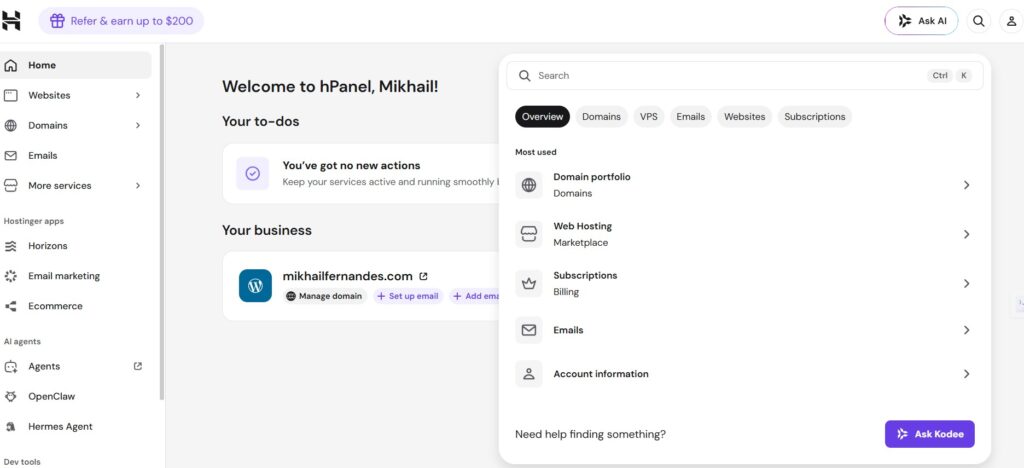
Hostinger allows 1-click WordPress installation, which automatically installs WordPress and starts building your blog. Once you log in to your Hostinger account, you can click on the Edit Site button to get started. To log into WordPress, type the URL yoursite.com/wp-admin/ directly in your browser. You can then set up your blog and create pages, design it, and start blogging.
Customizing your blog is very important as it will represent the look and feel of your content. Try to keep the design simple and avoid overcomplicating things. WordPress has numerous themes and templates, allowing you to design websites without needing any coding skills.
WordPress has numerous plugins, which are essential to offer additional functionality for your website. Plugins allow you to add contact forms, email lists, security, SEO plugins, etc. Some common plugins to help you include WPForms, Yoast SEO, Cloudflare, and WP Super Cache, etc.
3. Write Your First Blog Post
The main part of a blog is writing content and crafting posts. There are plenty of nuances to drafting a blog post; however, it is important to start.
To write your first post, head over to the WordPress dashboard, click Posts, followed by Add New. This will open the editor where you start adding your content. The block editor of WordPress is simple, and you can easily post content. Once you are done, you can hit the Publish button and the blog post will be uploaded to your blogging website.
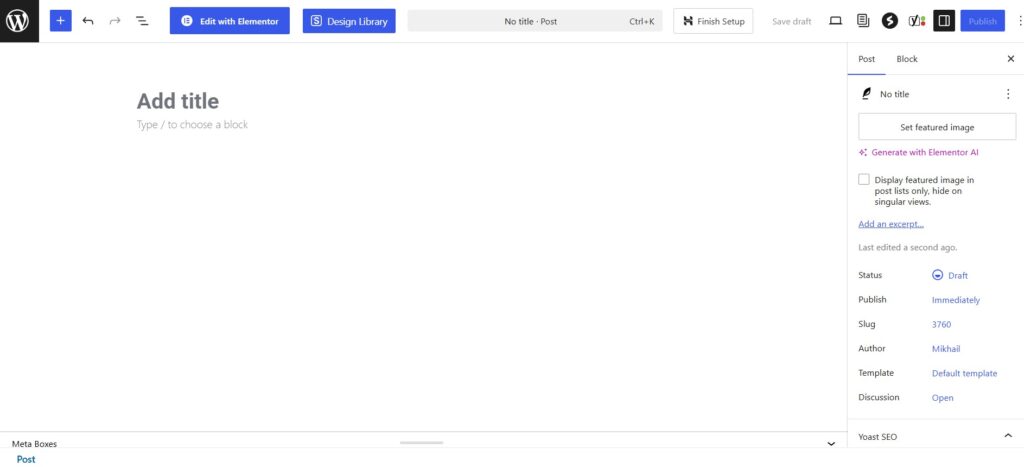
If you want to rank your content well on the internet, you have to focus on SEO and do keyword research. This helps your content rank higher in search engines and reach more users. When you are writing, you may also see sections such as Categories and Tags. These sections will allow you to organize your content.
Overall, it is important to post your first blog and not focus on perfection. Over time, you’ll get the hang of the different things you need to rank as you grow.
4. Plan Your Editorial Campaign
Once you have posted your first blog post, you need to start thinking of a posting schedule. Create an editorial campaign to ensure you publish content consistently. This helps you be accountable to meet your blogging goals, and readers can get a constant flow of content. Additionally, search engines may better rank your content due to the frequency of your content publication. You can create your editorial calendar in Excel, Google Sheets, or Google Calendar.
5. Promote Your Blog
Promoting your blog is an important step to get traffic and build brand credibility. As you start, it is difficult to get traffic, so here are some tips to reach more people.
- Share on social media: Social media is one of the best ways to promote your new blog. You can reach a larger audience by posting your new blog on any social channels.
- Build an email list: An email list is a great way to stay connected with your readers. You can encourage readers by offering free resources or exclusive content such as newsletters to keep readers engaged.
- Guest Blogging: Consider writing articles for other websites in your niche. Try to find opportunities for guest posting on premium websites. Additionally, post on LinkedIn to expand your reach and introduce content to new audiences.
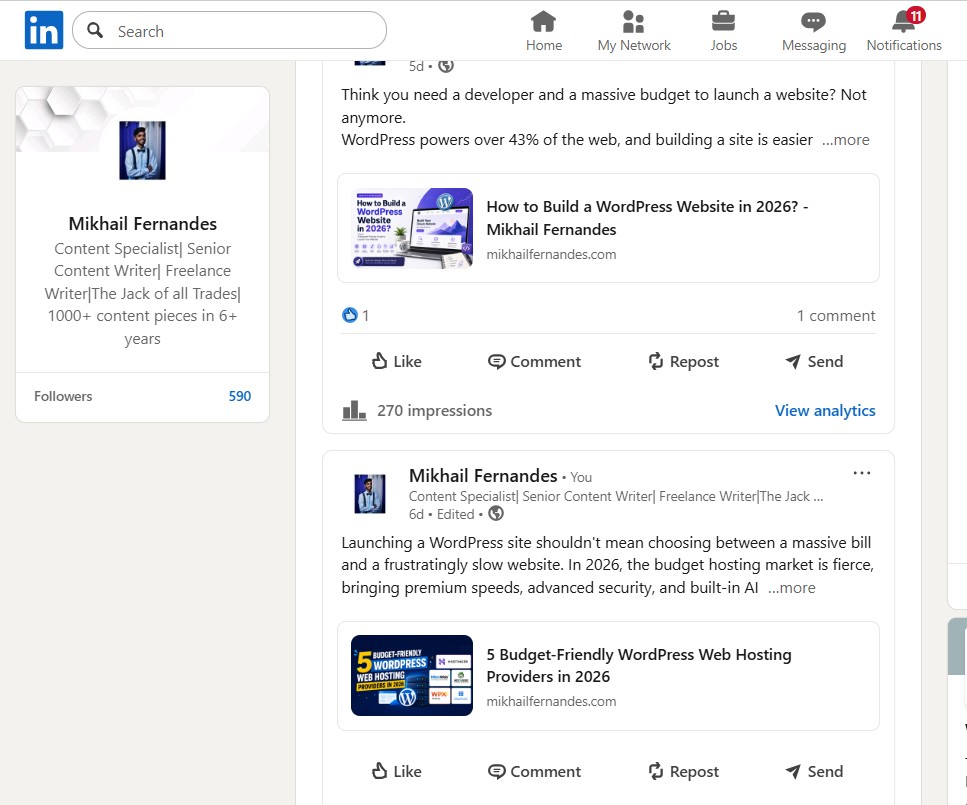
- Network backlinks: Backlinks play a crucial role in boosting SEO and monetizing the blog website. If you get links from authoritative websites, it will help build credibility and drive organic growth. You can engage with other bloggers or comment on their blogs to pitch guest posts and share your link.
- Paid ads: You can boost your posts with paid promotion. You can run ads on Google or social media to reach new users.
- Reach Out to Existing Communities: There are numerous forums on Facebook, Quora, and LinkedIn groups interested in a topic. If you find a relevant community, you can share your blogs and network with the members.
6. Make Money From Your Blog
Monetizing a blog helps keep you motivated even though you started it as a hobby. It will be sustainable in the long run, and you may turn it into a big business. The best ways to monetize your blog include:
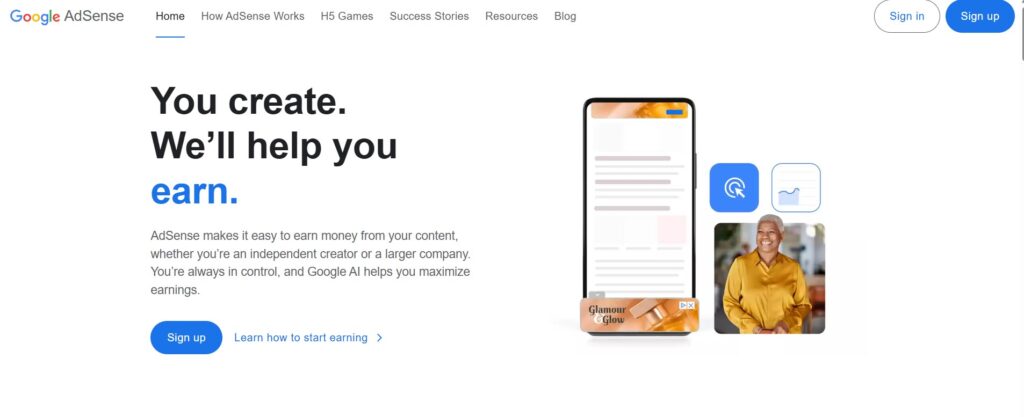
- Google AdSense: The simplest way to make money is to display ads on your blog. It is a reliable option that helps you earn revenue via each click. Google AdSense is the best option, connecting you with advertisers and optimizing the site. The platform will select the highest quality and most profitable ads for the best results. The signup process is simple; you just have to create an account on the platform. Once your application is approved, you have to insert a piece of code and add your phone number and payment information.
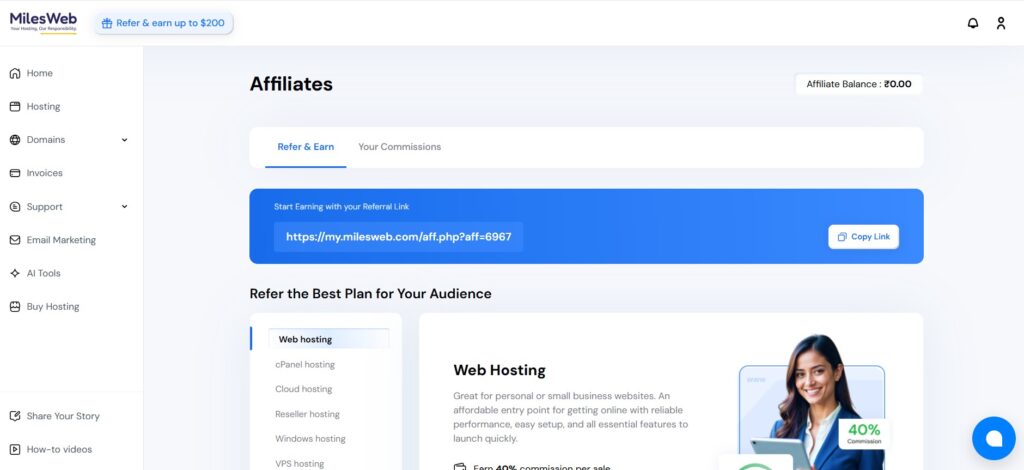
- Affiliate Marketing: Affiliate marketing is a common method employed by bloggers to make money. You recommend products or services to your readers and earn a commission if they make the purchase. Bloggers earn between $100 and $200 at the start, and it increases with experience.
- Sell Products: You can sell digital and physical products directly on your site. This can include ebooks, goods, or other online resources.
- Write Sponsored Content: As your blog grows, your content will have more authority. You can reach out, or companies may reach out to write sponsored content about their company. The company will, in return, compensate you for the posts.
- Sell Online Courses and Subscriptions: Offering courses and premium content can be another way to monetize a blog. You can use your expertise to create online courses and sell them for a fee. You can also craft premium content and ask your readers to pay to read it. This helps build a good income stream while you build a community of readers.
- Explore Diverse Income Streams: Diversified income streams play an important role in long-term income sustanability. If you can convert your voice into public speaking, you can turn it into an expanding income. Similarly, you can use your social channels to secure brand partnerships. All this will help boost revenue and enhance your blog’s credibility.
Is Blogging Still Worth It in 2026?
Yes, starting a blog turned my life in ways I would never imagine. I started blogging as a project, and eventually that led me into the content writing space. Blogging is a powerful tool and has helped millions of people make their passion into successful businesses. However, it is a long journey with numerous challenges, but with consistency and the right tools, you can build a successful blog.
If you have followed the guide, I’ve written an article on how to build a WordPress website if you want more insights on the topic. Whether you’re starting a blog as a passion or as a business, it will be the foundation of incredible opportunities.
Frequently Asked Questions (FAQS)
- 1. Can I start a blog for free?Yes, you can start a blog for free, and it is a great option if you are a student or starting out. However, in your blog's web address, the platform's name will be included, and it may not look professional as you progress. Additionally, free platforms may place their ads in your blog.
- 2. How do bloggers make money blogging?Bloggers get paid through numerous ways, including advertising, affiliate marketing, and posting sponsored posts. They also earn money by creating membership sites or by selling digital and physical products on their blog.
- 3. How to choose a niche for a blogging platform?Select a niche that balances your passion with topics that have engagement. Solving common problems in the niche can help you stand out, even in a highly competitive space.
One response
[…] is slightly expensive compared to other options in the market. If you are a hobbyist looking to start a blog, then it might not be the best option. That said, WPX Hosting remains an unmatched choice if […]