Over 5 trillion searches happen on Google annually, which equates to more than 8.5 billion searches processed each day. This is why search engines remain the primary gateway for products, services, and information online. For online businesses, organic search is often the largest driver for sustainable website traffic and revenue. So, a strong SEO foundation is important for success in today’s digital ecosystem. In fact, marketers who invest in SEO drive 1000%+ more traffic than organic social media.
Succeeding in SEO requires more than creating quality content; it also requires data-driven SEO tracking to stay relevant. Constantly monitoring and optimizing key website performance indicators is key to staying ahead of the competition. In this article, I’ll cover important SEO metrics and the best SEO tools to deliver actionable results.
What is SEO Tracking?
SEO tracking is the process of tracking the performance of your website or your competitors. It involves everything from performing in-depth on-page and off-page SEO analysis. The process focuses on how well your SEO strategy ranks in the SERPs. After carefully observing the parameters, you can systematically adjust these metrics and fix existing issues.
SEO tracking involves gathering data from numerous metrics, so it is essential to find the right metrics to track. This eliminates guesswork and allows you to focus your resources on other useful tasks.
How to Track Overall SEO Performance?
SEO tracking is a complex process, and you don’t want to miss out on important parameters. Below, I’ve listed three important steps essential for monitoring and reporting your SEO progress.
Identify Which Metrics To Track
The first step in SEO tracking is to identify which metrics align with your business goal. This will help you gain better insights into your website performance. Different metrics are analyzed based on certain goals. Some common metrics that need to be monitored based on your objectives are:
- Check for an increase/decrease in organic traffic
- Organic traffic metrics
- Keyword ranking
- CTR
- Improve off-page SEO
- Check quality of backlinks
- Identify broken backlinks
- Look for new or lost backlinks
- Check for content engagement metrics
- Engagement rate
- Average time spent on page
- Scroll depth
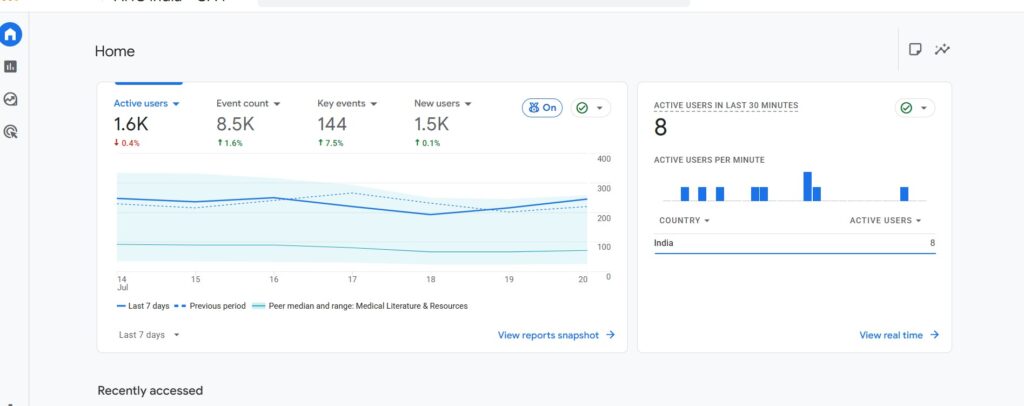
Select and Set Up SEO Tools
Numerous SEO tools help users check and identify key parameters, but you need to select the best option. Choose the right tool based on its features, your needs, and budget. So, make sure you select the best tool for your SEO tracking. If you want the best on-page SEO tool for SEO tracking, then SurferSEO is the best out there.
Optimize Your Monitoring and Reporting Routine
Once you set up your SEO metrics and tools, you need to consistently monitor your SEO results. Tracking these metrics lets you identify whether your campaign is a success or failure. An effective SEO tracking involves
- Regular SEO checks on SEO parameters.
- Detect any spikes or falls in metrics.
- Use charts, graphs, and tables to better understand new SEO trends or patterns.
Important SEO Metrics to Track Website Performance
Let’s look into the most essential metrics to track your SEO progress. The metrics should be tailored to your business needs. Monitor important metrics that help you make practical decisions.
- Organic Traffic: It is an important indicator that gives you insight into the traffic coming to your website through search engines. All search engines work to promote high-quality content, so if a page has suddenly gotten more or fewer visitors, you need to introspect and make changes.
- Keyword Rankings: Keyword rankings detail your page’s position in SERPs for a certain query. This will directly impact how likely searchers are to find your website. So, it is important to analyze keyword fluctuations and identify what caused them.
- Conversion Rate: The conversion rate outlines how many leads, form submissions, and other aspects your SEO efforts have attracted. This will help you identify if you’re getting the right traffic demographic for your website.
- Click-Through Rate: The metric determines how relevant your content is for a specific search query. It is a supporting metric for keyword ranking and reviewing your organic traffic sources.
- Average Time Per Session: It details the time a user spent or interacted with your content. It can also outline any key events that have taken place during this time.
- Backlinks: It is a metric that details the number of hyperlinks coming from another website. They help determine the authority and popularity of your website, which can help it achieve higher rankings.
- Answer Engine Visibility: It tracks how your content appears on AI engines, like ChatGPT, Gemini, or other similar platforms. This metric is very handy today as AI is taking over search queries.
- Page Load Speed: Page load speed is an important technical SEO metric. It outlines the speed, responsiveness, and interactivity of your website. If your site pages are loading slowly, you need to fix them as soon as possible.
- Mobile Usability: Google prioritizes mobile-first indexing, and it is essential to have a mobile-friendly site. Small design and image adjustments can improve your website responsiveness across devices.
Best SEO Tracking Tools
Monitoring SEO performance is tricky, especially if you’re managing multiple websites at the same time. To understand and get accurate data, you’ll need to choose the best SEO tracking tools. Below I’ve compiled a list of the best tools to track your SEO performance.
1. Google Analytics
Google Analytics is a free Google tool to analyze your website performance. It is a gold standard tool for SEO analysis and offers important website metrics. You get insights into visitor behavior, organic traffic stats, conversion rate, and much more.
2. Google Search Console
Google Search Console is another free tool from Google. It is a valuable tool that allows you to measure traffic, keyword performance, and optimize content for your website. The tool can be slightly overwhelming with the numerous metrics and data. The tool gives you better insights into clicks, Core Web Vitals, and page indexing information.
3. SurferSEO
SurferSEO is a top data-driven content optimization and SEO tracking tool. The tool provides real-time feedback to optimize content and target keyword rankings. It also helps perform a detailed SERP analysis to refine your on-page SEO strategy compared to your competitors. Its AI tracker feature allows you to track how many times your brand appears in AI results. Additionally, the platform offers real-time alerts for any performance shifts, core updates, and more.

How Often Should You Track SEO Performance
SEO tracking is critical for the longevity of your website’s performance. Depending on the depth of the analysis, you can track performance on
- Weekly Basis: Check keyword rankings and any organic traffic trends. You can check for sudden drops in traffic and assess whether it’s due to technical issues or algorithm problems.
- Monthly Basis: Review your SEO performance and check for new backlinks, conversions, and engagement metrics. This is a great starting point to identify growth patterns and implement the changes.
- Quarterly Basis: Evaluate your SEO strategy and assess your content performance and ranking. You can review your competitor movements and analyze long-term trends. This allows you to adjust your SEO roadmap and work to meet your goals.
Final Thoughts: Elevating Your SEO Tracking Strategy
SEO tracking is an iterative, ongoing process crucial for long-term digital success. SEO tools provide important insights about your performance and website metrics. However, the real advantage lies in analyzing insights and optimizing them into your content.
When you consistently track these metrics, you can easily adapt to search engine algorithm updates and competitor shifts. This allows you to secure good visibility and organic growth in today’s evolving digital landscape.



One response
[…] rankings and organic traffic are still a major part of SEO tracking. However, they don’t tell you the entire story. Your search results analysis should include […]