The search landscape is undergoing a major transformation as artificial intelligence rapidly integrates across digital systems. For years, your basic search journey meant typing a question and getting a list of results. However, AI search has changed that dramatically.
By late 2025, the AI market size exceeded $390 billion and is expected to reach $539.5 billion by the end of 2026. The economic expansion reflects how user behavior is slowly shifting away from traditional search. Today, zero-click searches account for more than 68% of web queries as they deliver immediate answers directly on the results pages.
The shift has drastically impacted how audiences discover new content. However, SEO is key to digital success, and you need to expand your visibility with Answer Engine Optimization (AEO) and Generative Engine Optimization (GEO). Businesses heading into 2027 should focus less on publishing content targeting specific keywords and more on meeting user search intent. Overall, the job is becoming harder and more complicated. In this article, I’ll cover ways you can earn more visibility from traditional search engines and AI answer systems heading into 2027.
The State of SEO in 2026
In 2026, the SEO landscape is shifting away from traditional keyword-focused strategies toward solving user queries. Semantic SEO is taking the lead, optimizing content for user intent and AI engines. Your website visibility is increasingly dependent on AI-generated responses rather than page position.
Want to know the difference between traditional and new SEO? Read my review on Semantic SEO vs Keyword SEO.
For businesses, success largely depends on creating high-quality content, strong technical SEO, and an excellent user experience. Brand visibility is also expanding beyond your website, and search engines are prioritizing sites that follow Google’s E-E-A-T framework. Companies have slowly moved towards AI integration with SEO to define who performs well in the digital space.
Major Changes to SEO in 2027
SEO is constantly evolving, and you need to be ready for change or risk being overtaken by competition. Below are major SEO changes in 2027 that’ll change the digital ecosystem.
1. Zero-Click Search is Changing Google Search
Zero-click search continues to grow inside Google Search. Ranking factors are no longer the main SEO focus, with AI Overviews and AI Mode taking center stage. These AI Overviews provide AI-generated responses within search results. In fact, Google’s AI Mode passed 1 billion monthly users, with new queries doubling every quarter.
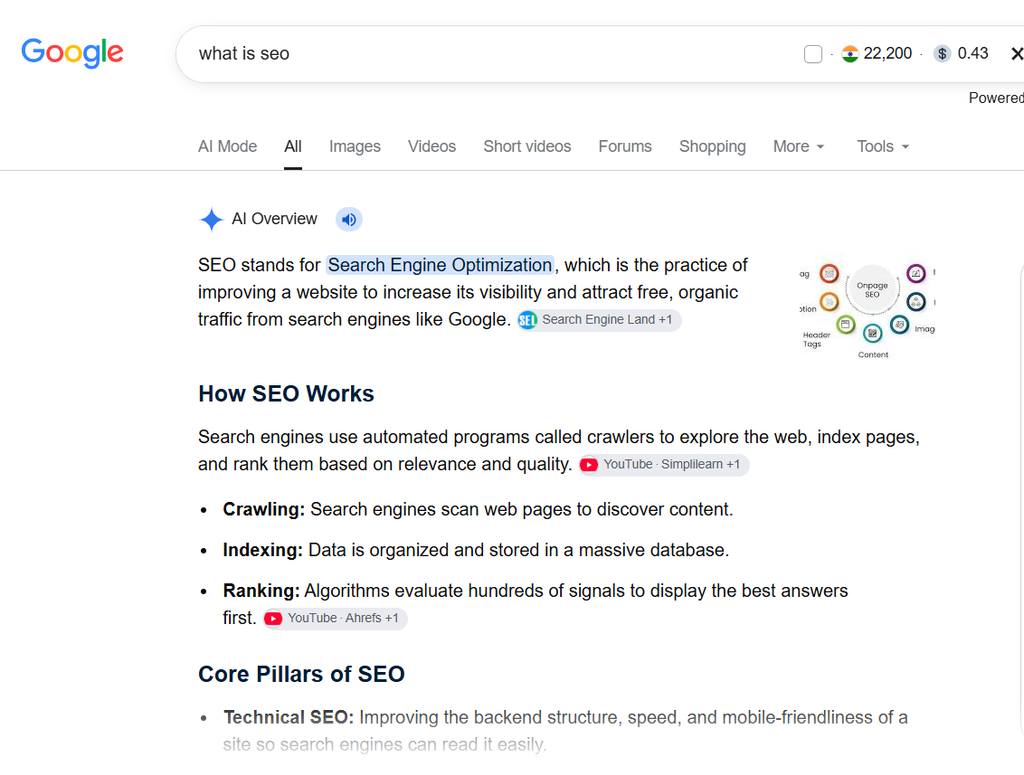
This has drastically changed the SEO process in 2027. Now, zero-click behavior will become a default way people interact with search results. So now, websites are shifting toward earning citations rather than chasing clicks.
Traditional SEO remains a core part of AI Overviews and AI Mode. Google still needs to crawl and index your pages to understand your content and see whether it will solve user queries. So, fundamentals still matter, but you need to adapt to rank well on AI Search.
2. SEO is Moving Beyond Google Rankings
Ranking on search engines has been the major goal of SEO specialists and marketers. They’ve been doing this for years by optimizing Google’s ranking factors. However, that’s become less important than it used to be. Today, businesses should focus on appearing on SERPs, AI Overviews, AI Mode, local search, videos, featured snippets, and much more.
People are moving towards AI platforms to research information, products, services, and other topics. Heading into 2027, businesses are focusing on getting their pages online across multiple platforms. However, traditional search rankings still matter, but they are not limited to keyword positions. Businesses need to make their website visible for different modules.
3. AEO and GEO are Becoming Core Parts of SEO
Generative AI has created new strategies for ranking in AI search across the web. Answer Engine Optimization (AEO) and Generative Engine Optimization (GEO) are two new components of an SEO strategy. AEO helps improve content so answer engines can understand it and deliver it to users. GEO, on the other hand, aims to improve visibility within AI platforms.
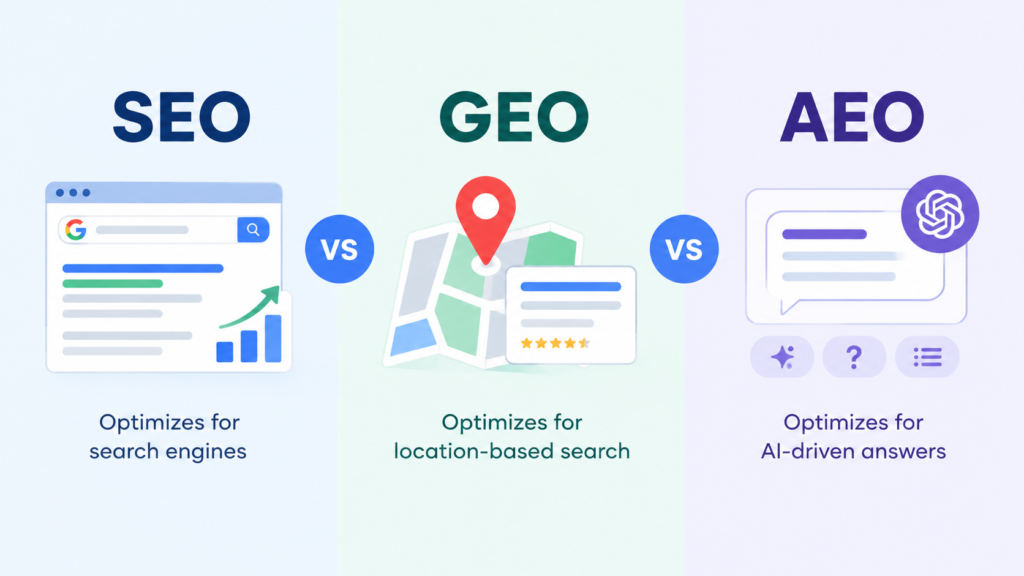
Both terms have changed how we see search in todays digital landscape. However, they are not different marketing channels; they’re an addition to SEO. The fundamentals remain the same, but the bar has just been raised. So, businesses need to adapt to these modules to attain better visibility.
4. Mass Producing AI Content Can Cause SEO Problems
Using AI for content writing or creation is not a problem. In fact, Google supports and ranks AI content if it’s high quality and helpful to the end user. Generative AI speeds up research and organises original material. However, overusing it and producing content without human intervention can make it sound robotic and unhelpful.
AI content is repetitive, and sentences often exceed SEO readability guidelines. This creates low-effort pages that are designed to manipulate search results. These pages can come under Google’s content abuse policies.
The best solution is to use AI to generate outlines and research, then humans refine it. Cross-check the facts and remove generic sections to make the content more relevant to search engines and humans.
5. Original Content is Taking More Precedence
Generative AI has made producing and publishing webpage content faster and cheaper. Businesses are creating content at scale, and many websites are producing the same information. This is where original content comes in handy, and Google still recommends it.
Original content should include information users can link to and provide valuable backlinks. It can be anything from case studies, original photos, research, expert commentary, videos, detailed information, etc.
AI can draft content, but a business should stand out, and it can do that only through a unique offering. So, simply rewriting information provided by AI doesn’t give you a competitive advantage.
6. E-E-A-T is an Important Resource
Google’s E-E-A-T framework signals Experience, Expertise, Authoritativeness, and Trustworthiness for establishing high-quality content. It is not a direct ranking factor, but it offers guidelines on how Google evaluates systems to achieve lasting SEO success.
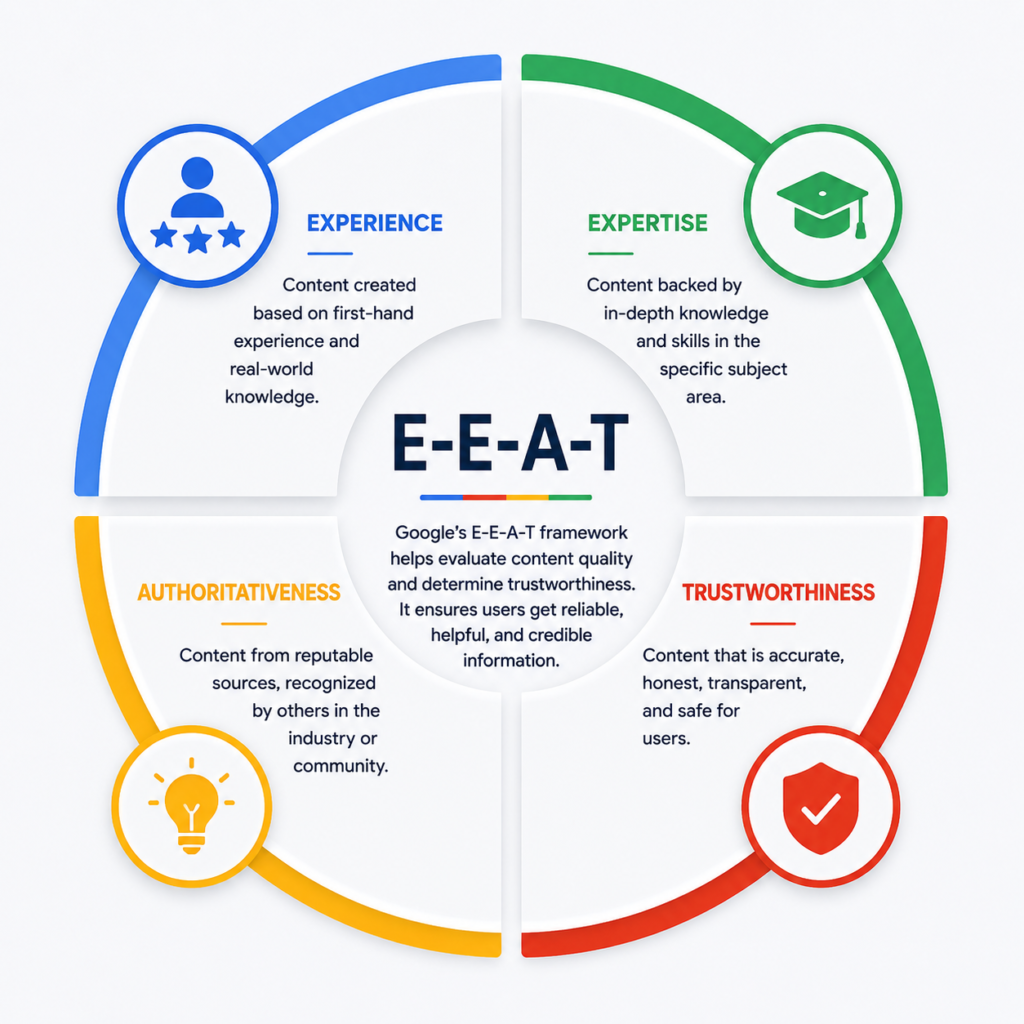
The E-E-A-T framework will become more important heading into 2027. When answer engine optimization (AEO) and AI platforms take center stage, they will prioritize content that demonstrates higher topical authority and verified accuracy.
E-E-A-T is a very actionable insight in 2027. Content is getting cheaper to create, so premium content helps you stand out in both traditional SERPs and AI-driven answer systems.
7. Brand Visibility Goes Beyond Your Website
Brand visibility is a key factor in your online presence. SEO doesn’t happen only on your website, as search engines and AI systems accumulate information across the web. You can get brand mentions or visibility through websites, news publications, review platforms, and other third-party sources.
Traditional backlinks are useful, but businesses shouldn’t limit themselves to traditional off-page SEO practices to collect backlinks. Businesses should focus on earning links through original content research, partnerships, company updates, and more. Additionally, businesses can appear on talk shows or podcasts, moving beyond traditional backlinking channels.
8. Technical SEO Still Matters
Technical SEO is the backbone of your website, and AI doesn’t remove it. Google needs to crawl and access your pages to understand your website. If technical issues exist, your site won’t rank in SERPs or AI overviews.
Core Web Vitals remain a key part of your technical SEO strategies. Google still measures
- Loading performance following Largest Contentful Paint (LCP),
- Responsiveness through Interaction to Next Paint (INP)
- Visual stability through Cumulative Layout Shift (CLS).
Technical SEO isn’t changing in 2027. In fact, it still lays down the foundation for the latest trends.
9. Local SEO Remains a Major Source of Localised Leads
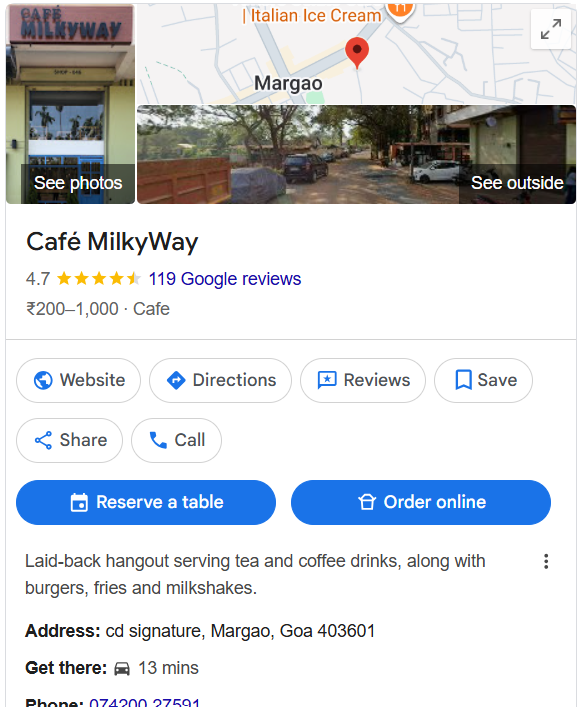
Local SEO helps people find local businesses and shops near them. Even with AI, people still need to find nearby businesses. Google Business Profile plays a critical role in local visibility. It is a common SEO mistake most local businesses miss or consider unimportant.
Create an accurate business profile, add relevant photos, and respond to reviews. Include the information people are searching for in the market. Also, don’t create identical city pages across states without providing city-specific results. This may hamper your rankings across multiple pages.
10. Structured Data and Schema are Important
Structured data or schema markup helps search engines better understand the context of your content. It gives AI systems a map of product details, FAQs, author bios, and more. That makes it easier to extract your pages into rich results or AI citations.
Structured data and schema are fundamental, but in 2027 they’ll be a foundational element for better search visibility. AI platforms use clear and organized data to summarize information effectively. So, the right structured data and schema markup can help your content rank in AI Overviews.
11. The Gap Between SEO and AI Optimization is Reducing
One of the biggest SEO trends for 2027 is narrowing the gap between traditional SEO and AI optimization. Traditional SEO practices remain relevant for AI Overviews and AI Mode. AI platforms need information to provide to users, so they access, retrieve, and connect to pages.
This is where pages that are ranked by Google help the AI module. So, focus on SEO fundamentals. However, your business has to pay close attention to Gemini, ChatGPT, Perplexity, AI Overviews, and AI Mode.
Overall, combining SEO and AI optimization is essential to gain better traction in today’s digital space.
12. SEO Reporting is Evolving
Keyword rankings and organic traffic are still a major part of SEO tracking. However, they don’t tell you the entire story. Your search results analysis should include reports that impact your business financially.
Some important reporting features could include
- Qualified leads
- Phone calls
- Booked appointments
- Form submissions
- Local visibility
- Commercial keyword visibility
- Conversion rate
- Visibility across AI search
- Sales
Google Analytics already tracks form submissions and other actions. However, if you want visibility reporting for AI search, you can check out Google Search Console’s new feature. It helps you understand how your pages are performing in AI search.
What It Means for SEO in 2027
SEO trends in 2027 show that users are moving towards zero-click searches as they take precedence over traditional search results. People are discovering content through different AI modules and other experiences.
This has a major implication for how you measure and plan your SEO strategy.
Traditional SEO ranking still matters; in fact, AI modules are an extension of traditional SEO. So, it is important to solidify the basics of your SEO strategy. Companies with a strong SEO base in 2027 will continue to perform well if they implement new SEO trends.



One response
[…] charts, graphs, and tables to better understand new SEO trends or […]